Designing a Kitchen Around How You Actually Cook
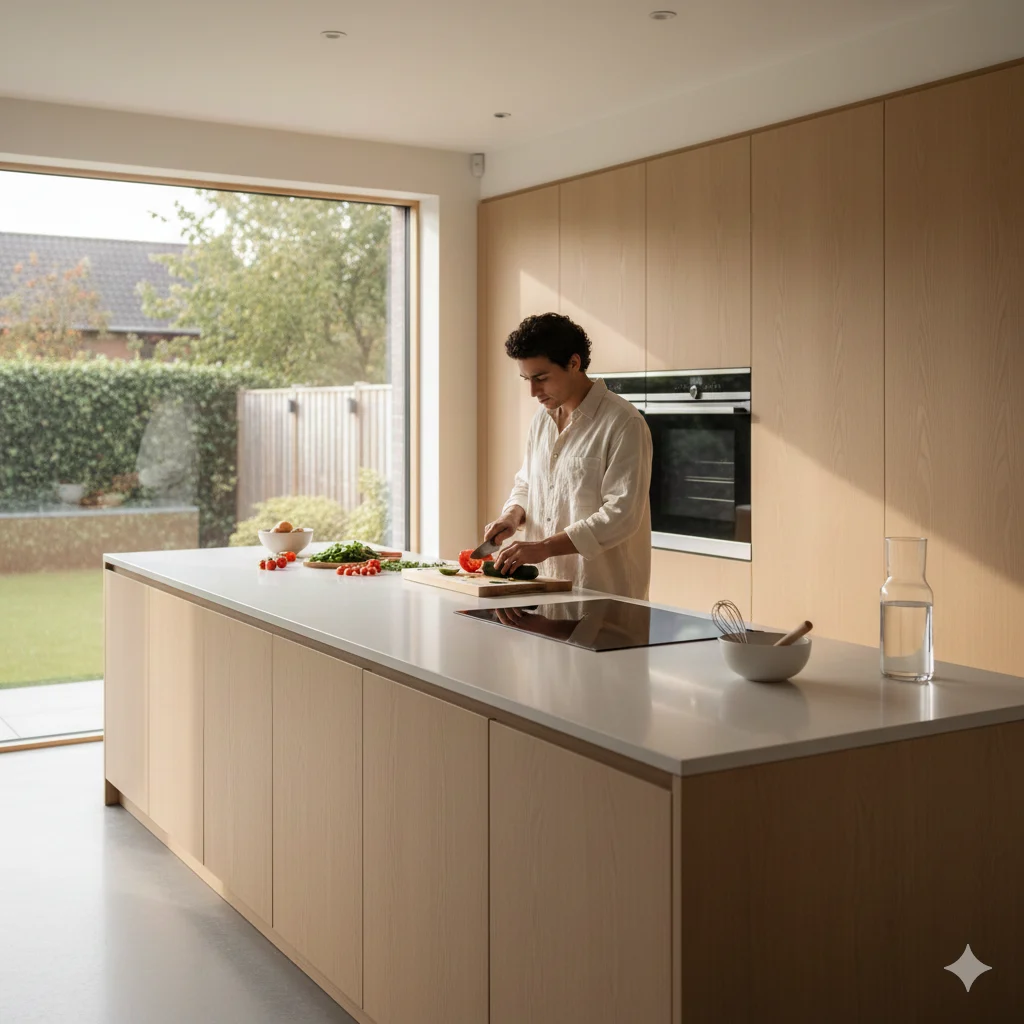
You’ve probably scrolled through dozens of kitchen photos online, and yes, we’ve all been guilty of this. You see open shelving, gorgeous flooring, and massive islands that look amazing. But most of those kitchens ignore how real people actually cook.
A custom kitchen design should start with your habits, instead of someone else’s Pinterest board. We’ve worked with families across San Diego who wanted kitchens that support their routines instead of slowing them down.
That’s exactly what this guide helps you do.
You’ll figure out your cooking style, learn how to set up workstations, and choose counters and features that actually serve you. By the end, you’ll know how to create a layout that fits your life.
Now, let’s look at where it all begins.
Why Your Cooking Habits Should Drive Custom Kitchen Design
A beautiful kitchen means nothing if the layout goes against your daily routine. You end up walking extra steps, digging through drawers, and feeling frustrated every time you cook. Ultimately, the design should support how you actually move through the space.
Most people skip this step and design around trends instead. For instance, they pick cabinets from a catalogue, choose flooring that only looks nice, and hope it all works out. And to be honest, that approach fails more often than not.
A custom kitchen design flips this around. Instead of forcing your routine into a space that doesn’t fit, you build the layout around how you actually cook. This way, cooking feels easier, prep goes faster, and the room finally works with you instead of against you.
Now, let’s look at the different cooking styles and why yours shapes every planning decision.
Identifying Your Cooking Style Before Planning Kitchen Layouts
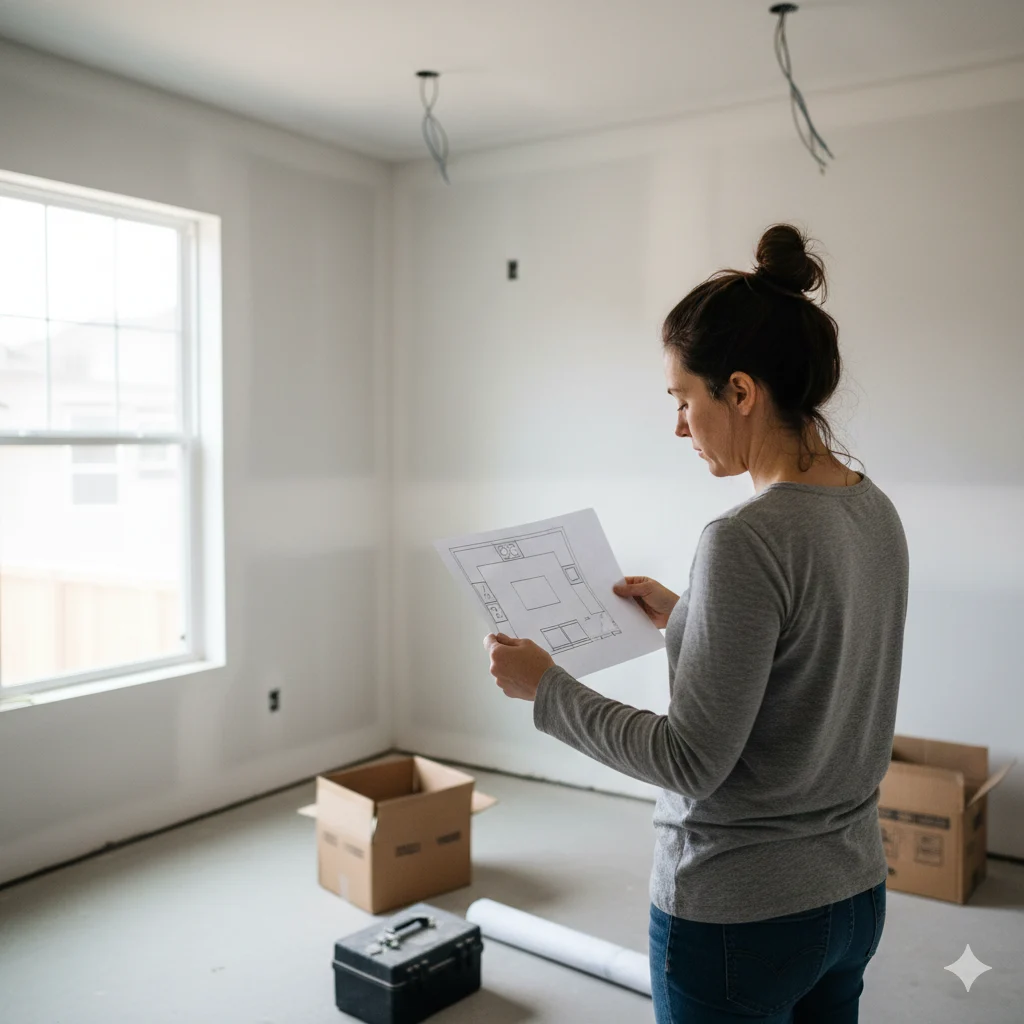
What kind of cook are you? Most people never ask this question before ripping out their old cabinets. They jump straight into picking kitchen layouts and finishes (that’s a mistake that costs thousands to fix later).
Your cooking style affects everything from storage needs to how much prep space you require. So here are four common types to consider:
- Batch Cooker: If you prep meals for the entire week in one session, you fall into this category. You need large counters, deep drawers, and cabinet space for containers.
- Entertainer: Hosting family and friends brings you joy. An open layout with island seating and room for guests to gather works best for your cooking style.
- Quick-meal Maker: Speed drives everything in your kitchen. So look for easy access to tools, appliances, and grab-and-go spots to keep your workflow efficient.
- Passionate Chef: Experimenting with recipes and techniques fills your weekends. You need specialty tools, varied surfaces, and dedicated workstation zones to support your creativity.
Knowing your style helps you prioritize the right features during planning. And once that’s established, you can start building your workstations around how you actually cook.
How Kitchen Workstations Improve Your Daily Workflow
Kitchen workstations keep everything within reach, so you spend less time running and more time cooking.
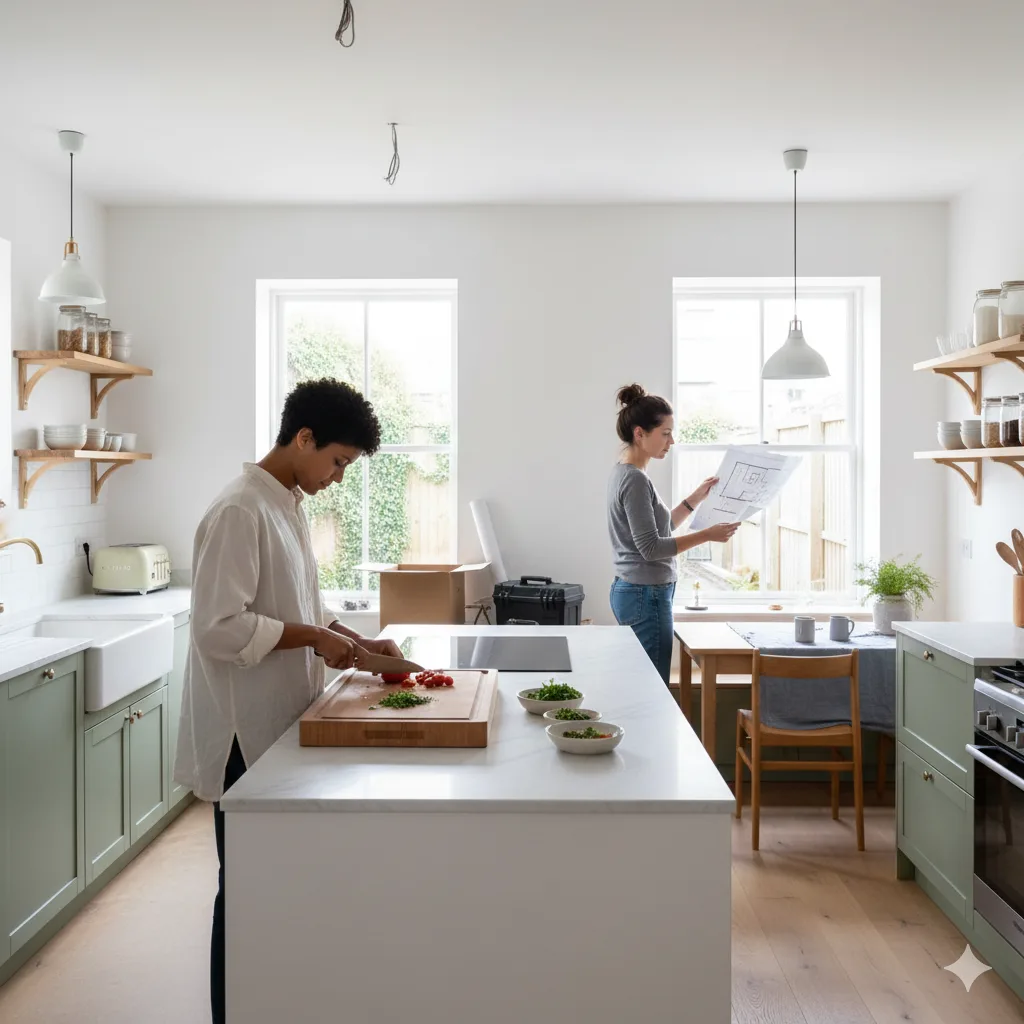
According to the University of Missouri Extension, the ideal work triangle measures between 15 and 22 feet total. This layout connects your sink, cooktop, and refrigerator in a functional path.
We’ve helped dozens of homeowners set up zones, and the difference shows up immediately. Let’s look at what that looks like day-to-day:
Prep Zone
Your prep workstation sits near the refrigerator for easy access to fresh food. From here, you can grab ingredients and start chopping right away. Keep cutting boards, knives, and a waste basin close by so everything stays within reach during preparation.
Cooking Zone
The cooking workstation surrounds your cooktop and oven. You want pots, pans, oils, and tools within arm’s reach of the burners. A nearby drawer for utensils also helps, since it saves you from walking across the room mid-recipe.
Cleaning Zone
Your sink and dishwasher anchor this workstation. Right below, you should position dish soap, sponges, and drying racks in the cabinets. Keeping this zone separate from food prep areas improves both hygiene and workflow.
Storage Zone
Pantry items and dry goods live in this workstation. Pull-out drawers and slide-out shelves make grabbing ingredients quick and simple. For the best results, place this zone between your prep area and refrigerator to create a smooth cooking flow.
From there, the focus shifts to your counters and surfaces.
Getting the Right Countertop Space for How You Cook
The right countertop space depends entirely on what you cook and how often you cook it. Believe it or not, most homeowners underestimate their counter needs (most kitchens have 15-20 square feet of counter space).
Bakers, for example, need wide, flat surfaces for rolling dough and kneading bread. On the other hand, quick-meal makers need less space but better placement near appliances.
Experts recommend 24 to 36 inches of counter space beside your sink for food preparation and cleanup. But you also want a landing zone near your cooktop for setting down hot pots and pans.
Materials play a role in functionality, too. Quartz handles heat and resists scratches well, which makes it a popular choice for busy kitchens. Granite adds style and durability, while butcher block works best for cutting and dough preparation. Many bakers prefer a butcher block near their prep workstation for this reason.
Choosing the right counters means thinking about your cooking habits first, then matching materials and placement to fit your daily routine.
Kitchen Renovation Ideas That Match Real Life
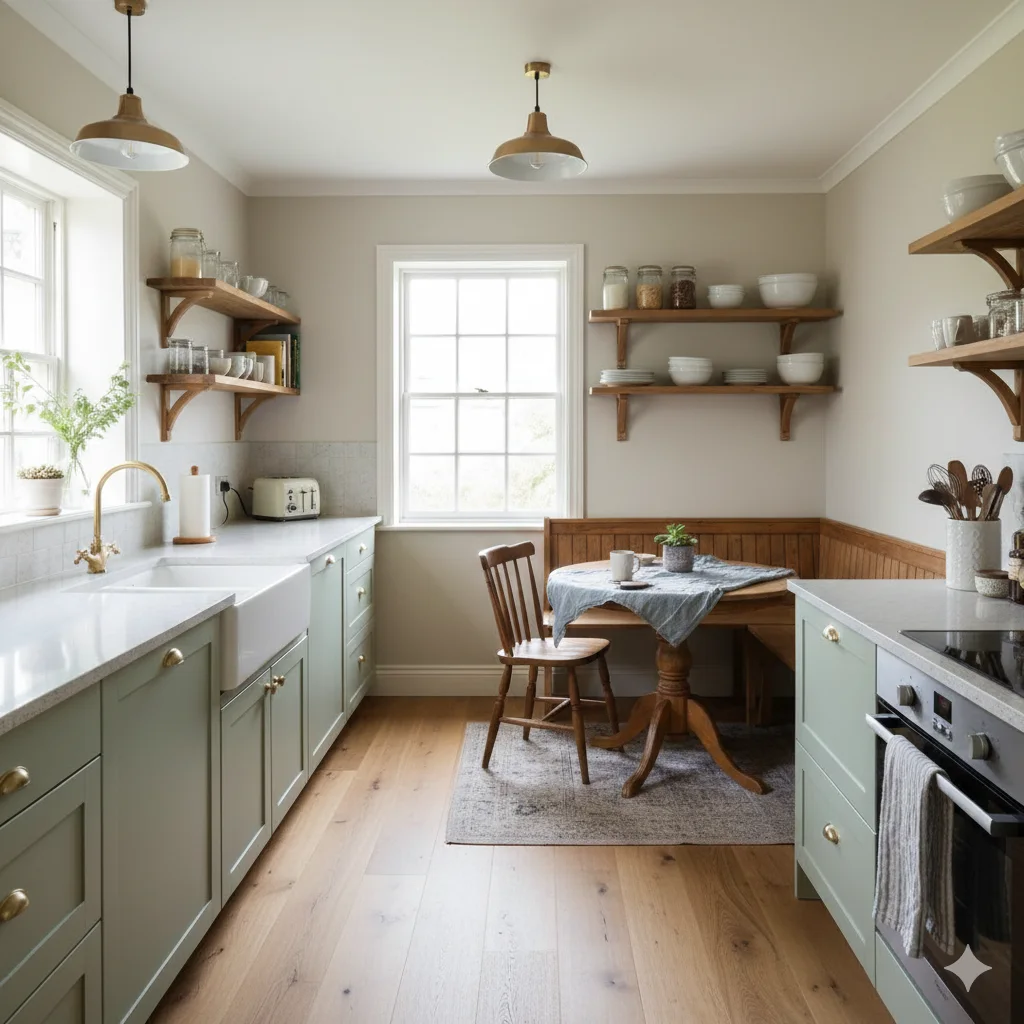
Homeowners waste thousands on features they never use. Trendy appliances and flashy cabinets look great in showrooms, but they often collect dust in real kitchens. Practical upgrades solve daily problems instead.
The table below matches common cook types with features that actually help:
| Cooking Style | Recommended Feature | Why It Helps |
| Batch Cooker | Double oven | Cook multiple dishes at once |
| Entertainer | Island with dining seating | Guests sit and chat while you cook |
| Quick-Meal Maker | Pull-out drawers | Grab tools and ingredients fast |
| Passionate Chef | Pot filler near cooktop | Saves trips to the sink |
If you plan on adding an island, leave at least four feet between it and other cabinets for easy movement. Anything less creates a traffic jam every time you open a drawer.
Remember, Islands work best for entertainers who love hosting. So just make sure you have enough room for both seating and workflow.
A Kitchen Design That Finally Fits Your Life
Now that you know your style and ideal layout, bringing everything together gets easier. Start with your habits, then plan zones that support how you move through the space. From there, choose surfaces and features that fit your daily routine.
A thoughtful kitchen design removes stress from your mornings and makes meal prep something you actually enjoy. The right layout saves steps, and the right workstation setup keeps tools exactly where you need them.
At Sweetly Dias of San Diego, we help homeowners create kitchens that truly match how they live. So, ready to build your dream kitchen? Contact us today and let’s make it happen!